
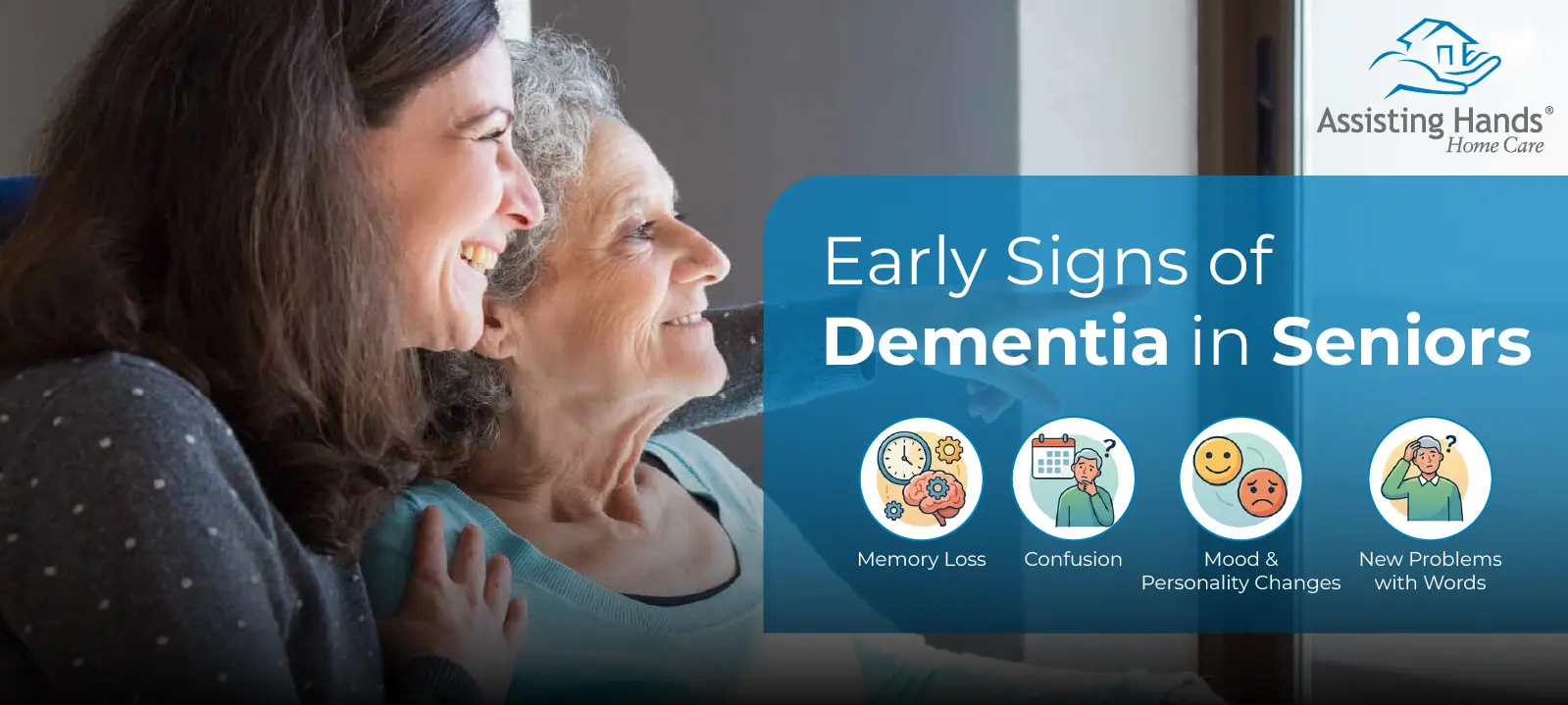
As you start growing older it's normal for you to forget small things like where you kept your glasses or what you had for breakfast. But when memory problems begin to impact your daily life, it might be a sign of something really serious. Dementia is a condition that impacts memory thinking behavior and the ability to perform everyday activities. It starts developing slowly and often begins with small changes that are very easy for you to miss. Your family might start noticing all the changes before you even experience them, that's the only reason why understanding the early signs of dementia in seniors is very important. Recognizing the early signs can help you seek medical advice and plan care.
What is dementia?
Dementia is not a single disease it's a term used for a group of conditions that impact your memory and decision-making abilities. The most common cause of dementia is Alzheimer's disease.
These conditions impact your brain and usually progress slowly with time. Early symptoms might be really mild, but they become more noticeable gradually and start interfering with your everyday life.
Why does early detection matter?
You might ignore all the early signs of dementia because you believe it's just normal aging. But early diagnosis can make a very big difference. Early detection helps with getting the right medical care sooner and managing symptoms while slowing progression.
Common early signs of dementia in seniors
Memory loss that disrupts daily life
Memory loss is usually the first sign that you might notice. A person might forget recent conversation or even appointments. Occasional forgetfulness is OK, but frequent memory problems can be a warning sign of dementia.
Difficulty completing familiar tasks
Another early sign is struggling with tasks that used to be very easy. You might suddenly find it difficult to cook a familiar recipe or drive to a place that you often visit.
Confusion about time and place
People in the early stages of dementia might become confused about the time or location. They might forget what day it is or lose track of seasons. This confusion can sometimes make you feel anxious or scared.
Misplacing items frequently
Everyone loses things sometimes, but dementia can cause you to place items in unusual places. For example, you might put keys in the refrigerator or leave your wallet in the bathroom. Some people even accuse others of stealing because they cannot remember where they place the things.
Poor judgment or decision-making
Changes in judgment are another common sign. You might spend money carelessly or fall for scams easily. These behaviors happen because dementia impacts reasoning and decision-making abilities.
How does dementia begin?
Dementia usually begins slowly and might start with mild cognitive changes. In the early stage, your symptoms might not seriously impact independence. But as the condition progresses, memory or daily functioning becomes even more challenging.
Is it dementia or normal ageing?
You might worry about memory loss. But occasional forgetfulness does not always mean dementia. Normally aging might include forgetting names occasionally or misplacing items but finding them later. Possible dementia signs include forgetting recently learned information often now repeating questions many times. If your memory issues begin to impact your daily life, it's time for you to speak with a doctor. In such cases, professional support like in-home care services can help monitor daily routines and provide assistance.
Tips for families and caregivers
If you notice early signs of dementia in a loved one there are different ways to help. A doctor can actually perform memory tests and check for other conditions that might cause similar symptoms. Safety becomes really important for you if you have memory problems. Simple changes can help prevent accidents. For example, you can remove tripping hazards or improve lighting in hallways. You may also consider 24-hour care or live-in care services for continuous support and supervision.
Caregiving can sometimes feel overwhelming, which is why options like respite care allow family members to take a break while ensuring their loved one receives proper care. For individuals recovering from medical procedures along with memory challenges, post-surgery and hospital transition care can provide additional support during recovery.
So, dementia often begins with small changes that are very easy to overlook. Memory loss, confusion, and language difficulties might appear in the early stages. Recognizing all the early signs of dementia helps you take action sooner. With early medication care and supportive environments, you can continue to live a meaningful and fulfilling life. For personalized care and professional assistance, consider reaching out to a trusted home care agency in Lake Norman. If you notice unusual changes in memory or behavior in older ones, it's always a great idea to consult a doctor.